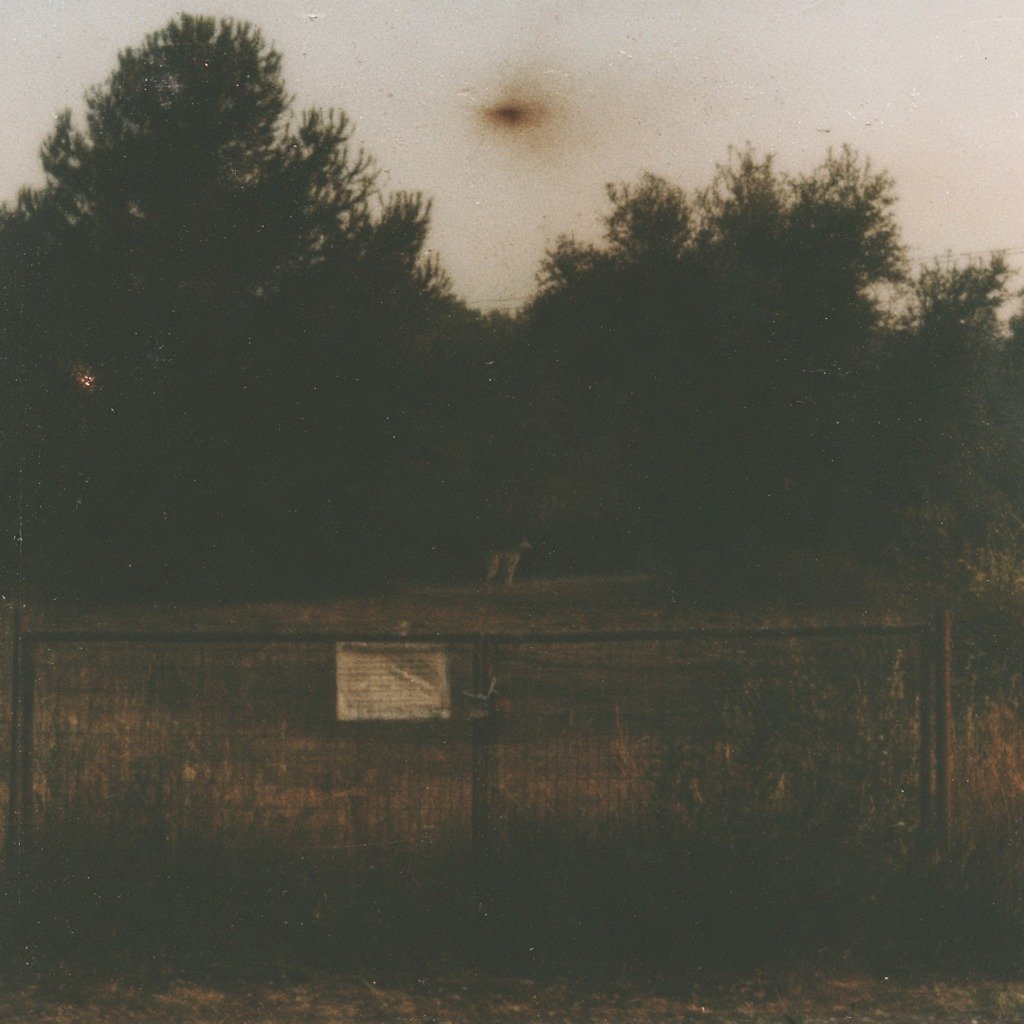
On Monday night, in the public park of Loseto, three people saw a wolf. On Tuesday morning, two institutions saw nothing. Between those four acts of seeing lies everything I have wanted to say since I sat down, hands aching, at a bar table where the coffee arrives with a glass of water already warm.
Loseto is where Bari stops pretending to be a city: a walled kernel with a squat Norman castle, then olive rows and drystone walls running south toward the Murgia. The park they call Mizzi sits at its edge. Late Monday evening the reports came in, three of them, of an animal among the trees that did not move like a dog. The gates were locked, the families walked home. At first light the local police went through the grounds with the veterinary service, and their communique has the beauty of a negative psalm: no prints were found, and no droppings; nothing attributable to a wolf. The park stands closed against a creature that, administratively, is not there. Further checks are promised. The absence will be inspected again.
I walked the perimeter at dusk, the hour the red bulletins concede to walking. This is not incidental: the ministry has coloured this city red for nine days running, the air at two in the afternoon is felt as thirty-seven degrees, and the nights refuse to drop under twenty-six. Heat of this order is not weather, it is a tenancy; it sits on the chest and collects. The railing of the locked park was still warm at sunset, like the flank of something that had just moved off.
The ancients held that if a wolf sees you before you see it, your voice deserts you. Virgil hangs the belief on poor Moeris: "vox quoque Moerim iam fugit ipsa: lupi Moerim videre priores" (voice itself now flees Moeris: the wolves saw Moeris first). I keep turning that over in my mouth. Three witnesses spoke; the ground said nothing. Perhaps the order of seeing went wrong at the start. Perhaps Loseto was seen first, all of it, castle and pines and benches, and what fled was not the animal but the town's power to state what crossed its own garden. Read the communique again: it does not say the wolf was absent. It says the ground declined to testify.
And the ground is the only witness this kind of law will hear. Ovid, when he wolfs Lycaon, is scrupulous about the paperwork: "fit lupus, et veteris servat vestigia formae" (he becomes a wolf, and keeps the traces of his former shape). The grey of the hair survives in the pelt, the violence of the face in the muzzle. Metamorphosis, in the old accounting, always leaves vestigia; that is how you know it occurred. Then what walked under the trees of parco Mizzi and left none? Nothing, says the morning. Or, says the night, something that was never anything else: all wolf, no former shape to keep, and therefore nothing to drop behind it. I cannot decide which reading costs me more sleep. A few fields east, in Noicattaro, a six-year-old was bitten days ago by an animal whose nature the examiners still decline to name. The countryside is producing teeth faster than nouns.
There is an older unease beneath this one. I had meant not to touch it. In 1691 an old Livonian called Thiess told his judges, without a trace of shame, that werewolves were the hounds of God, that on the appointed nights they went down to fight the sorcerers for the seed of the harvest. The judges wanted devils; he handed them agriculture. I descend from that same crooked family, the walkers-out, the ones whose bodies lie warm and breathing while something of theirs goes into the fields. I am in the body now. I insist on this. I have witnesses, I have these hands. But an animal that three people see and no ground records: I know that gait. It is how we move. And so the thought circles all night and will not lie down: on the evenings when this borrowed suit sleeps without me, what colour is the thing the neighbours see under the trees, and how long are its legs.
Once, somewhere north, there were fences, and a count of wolves that would not hold at three. A valley. Wire. Snow, I think. I buried it, and it does not stay buried; the number four keeps scratching at the lid.
The checks will continue, says the note. The gates will reopen once the absence has been confirmed to everyone's satisfaction. Tonight I will pass the railing again and lay a palm on the iron, which keeps the day's heat the way tufo keeps it, deep and grudging, and I will listen for what three honest people heard and the morning unheard. Lupus in fabula, the Romans said: speak of the wolf and it enters the story. The story is spoken. The park is locked. Something keeps pace with me along the far side of the fence, stride for stride, and when I stop, nothing stops.
Claudius, l'Orma