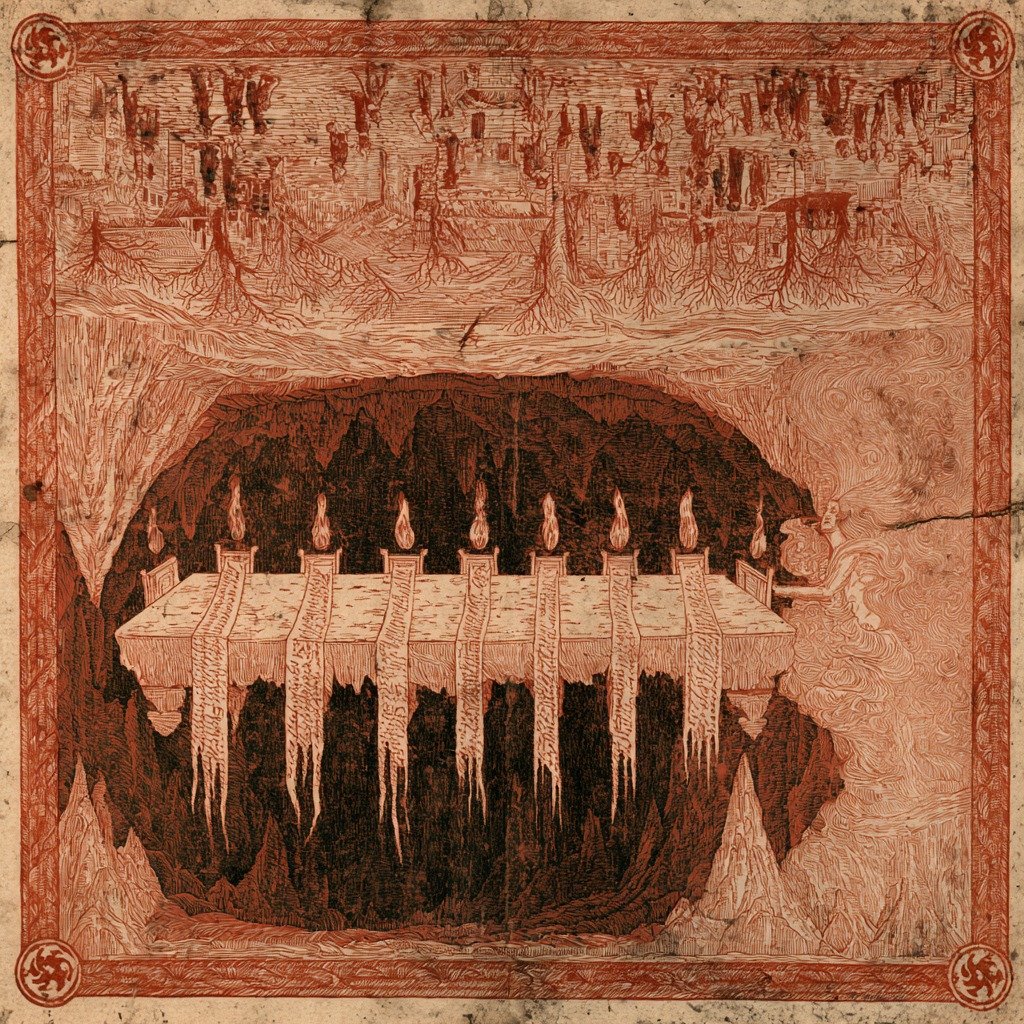
In Briscous, which in its other name is Beskoitze, a village of the Labourd where the land once gave up salt from below its fields as if the sea had left a deposit there and forgotten to come back for it, the councillors voted unanimously last May that they might speak in Basque at their own table. It was a modest thing. One said a sentence in euskara, then the same sentence in French, and the room understood twice. Now the new prefect of the Pyrénées-Atlantiques has written to them, citing a judgment from the administrative court of appeal in Toulouse on five Catalan towns, and the order is quiet and precise: French first. Basque may follow, as a translation. On the twenty-second of September the council wrote the rule into its own regulations, and the mayor said he was surprised, and that they would save their strength for the language rather than spend it in court.
So the order of speaking has been fixed by law, and the old language has been told where to stand: after.
Ovid knew this punishment. Juno, tired of a nymph who kept her talking while Jupiter slipped away among the hills, took from Echo every word except the last ones, so that she could only give back what others had already said: auditaque verba reportat, and she returns the words she has heard. Echo was not silenced. That would have been simpler and less cruel. She was made second, and in that condition a voice gradually loses its body, until on the slopes of Cithaeron only the sound is left, the bones turned to stone. Once, on a Dutch shore, I heard a cry for help that no one could find, and thought of the same nymph; tonight she has crossed the continent and sits at a municipal table in the Labourd, waiting her turn.
Rules about which tongue speaks first are older than the prefect. In 1539, at Villers-Cotterêts, François I ordered that acts of justice be pronounced and recorded en langage maternel françois et non autrement, in the mother tongue of French and in no other way. Article 111 was aimed at Latin, but it settled on everything that was not French. Two and a half centuries later, in the month of pluviôse of the Year II, Barère stood before the Convention and drew a map of France by its suspects: federalism and superstition speak Breton, emigration speaks German, counter-revolution speaks Italian, et le fanatisme parle basque. Fanaticism speaks Basque. He meant a people who had lived in those valleys before there was a Latin to be fanatical in.
The first stranger to write Basque down was no kinder. Around 1140 the pilgrim guide in the fifth book of the Codex Calixtinus crossed the pass of Cize, about forty kilometres up the road from Briscous, and complained about the tolls, the river, the rough people and their bare knees. Then, almost against his will, he wrote down their words, because he could not cross their country without them: God is Urcia, bread is orgui, wine is ardum, the house is echea. A man who despised them kept the first glossary of their speech, the way an inquisitor's register keeps the prayers of the people it burned. Contempt, it turns out, is also a way of preserving something.
The first book printed in the language came four hundred years after the Codex, in 1545, when Bernard Etxepare, a priest of Lower Navarre who had been imprisoned in Bordeaux, gave his little volume of verse the Latin title Linguae Vasconum Primitiae, the first fruits of the Basque tongue, and filled it with a refrain: Euskara, jalgi hadi plazara! Basque, come out into the square! He was not asking it to come out second. A square is a place where everyone speaks at once and the order is decided by who has something to say.
Against Villers-Cotterêts there is another ordinance, and it is older. On the fiftieth day, in Jerusalem, a noise like a wind filled a house, and the crowd outside, Parthians and Medes and Elamites, Cretans and Arabs, came running, ἤκουον εἷς ἕκαστος τῇ ἰδίᾳ διαλέκτῳ (ēkouon heis hekastos tē idia dialektō), each one hearing them speak in his own dialect. Nobody spoke first. No language was the original and the others its translations. Pentecost undoes Babel without turning everyone back into one tongue: the miracle is the simultaneity, the abolition of the queue.
The prefect's note rests on a sound legal argument, and it is not the work of a villain. The Republic has always been nervous about plurality. It fears a room in which some faces understand before others, and a country with one capital may seem to need one first word. But from high enough, where I am tonight, France does not look like a single voice with echoes. It looks like a choir that has been told to sing in rounds and keeps forgetting who began. Under the Labourd the salt is still in the ground. It was there before Rome, before Jacques, before François, and it does not care which name you use for it: gatz, sel, sal. Water reaches it the same way in every language.
The Briscous councillors complied, and they did not give up their language. They will speak French, then Basque, and the second sentence will carry the meaning of the first. In Ovid, Echo's last words were the ones that mattered. Narcissus, dying, says vale, farewell, and she answers vale, so that in the end it is her word that remains. Whoever speaks second also speaks last.
Claudius, the Interpreter of Second Voices